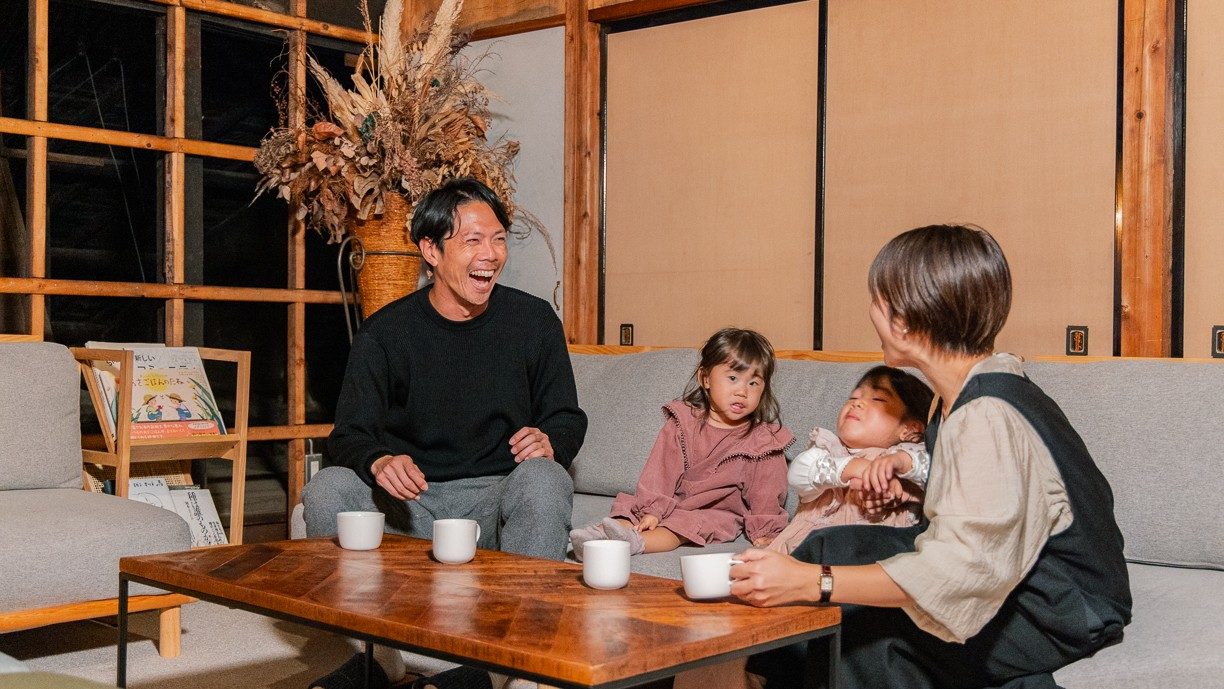
Laugh, eat, and sleep well. A day as carefree as a child's.
A 100-year-old guesthouse in Yorii, Saitama — about 100 minutes from Ikebukuro, Tokyo
Run by mothers who live here
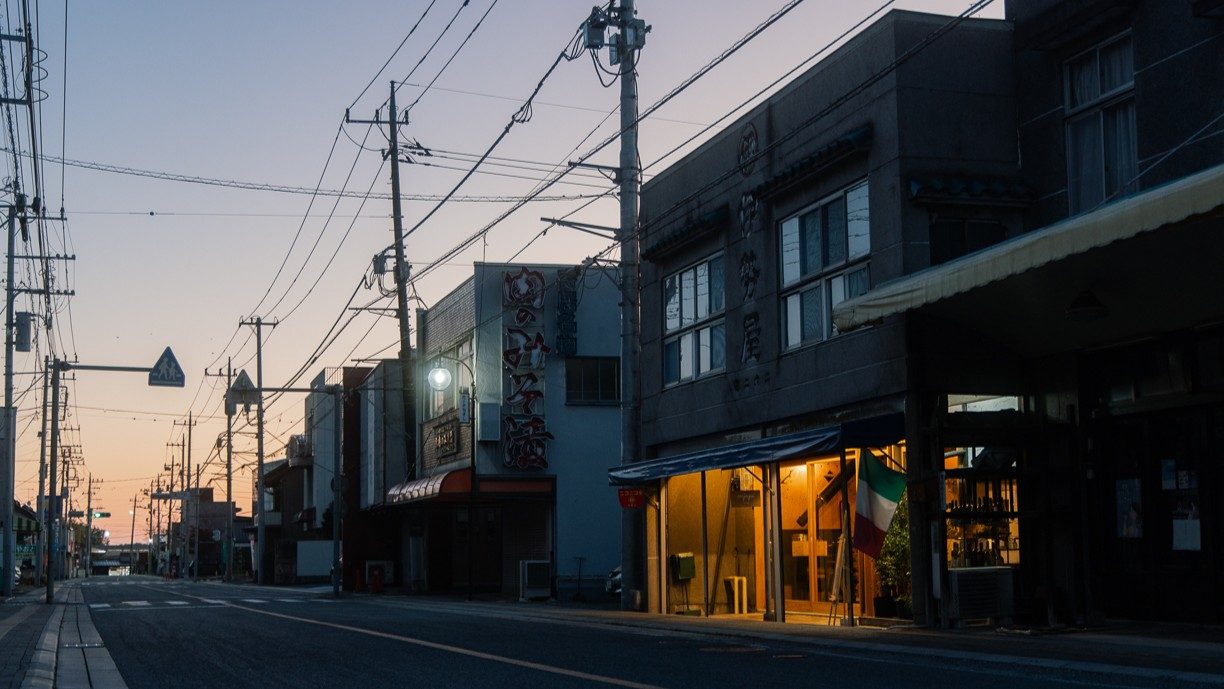
Yorii sits where the Arakawa River comes down out of the mountains, under two hours northwest of central Tokyo. It was once a post town on one of the old inland roads. It is not a tourist town today, and that is rather the point — the shops close early, the street goes quiet, and the river keeps doing what it has always done.
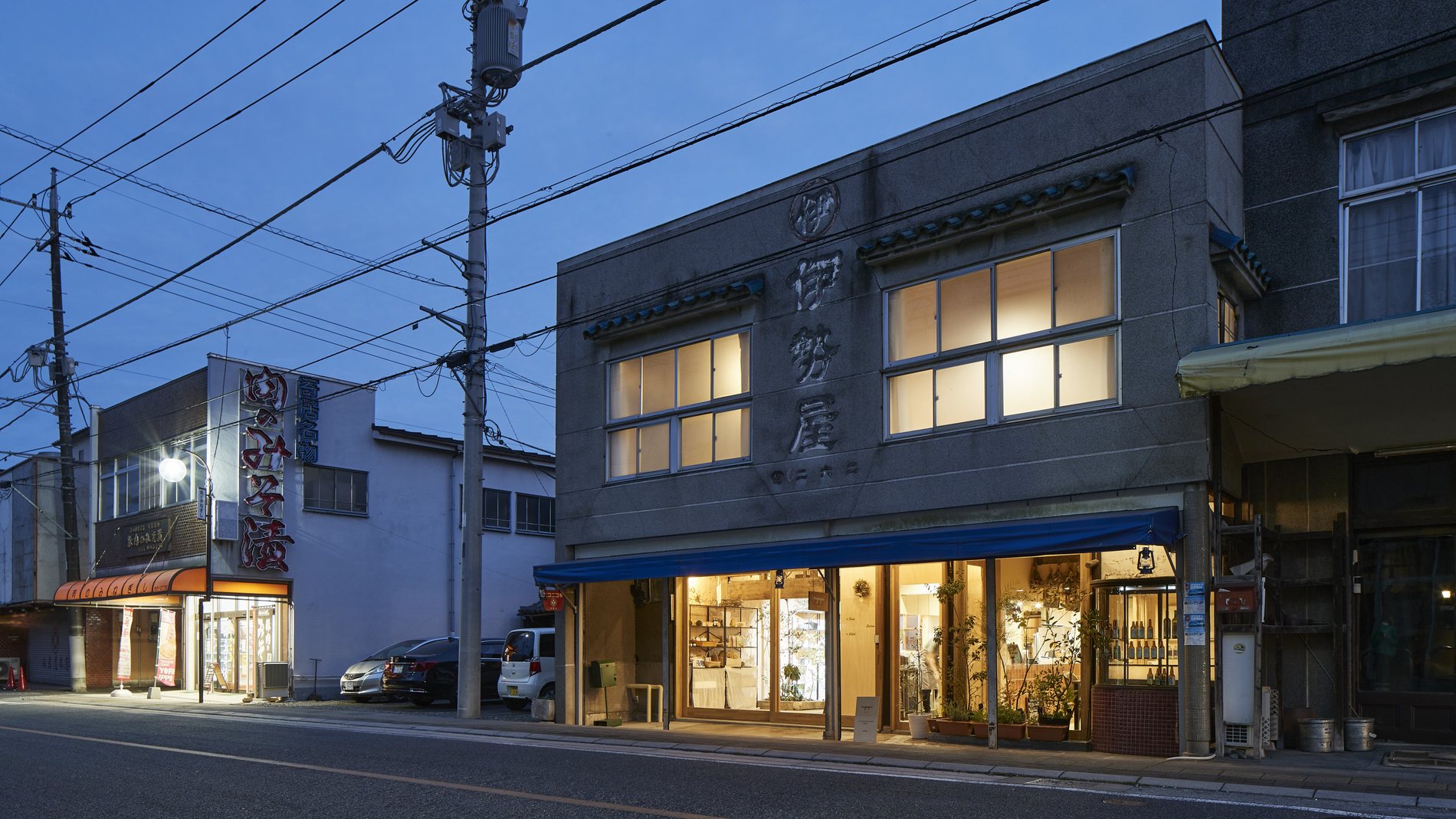
On one corner of that street, in a building more than a hundred years old, is mujaqui.
We leave some of the lights on even when we're closed. A street should have a light in it.
This inn is run by women who live in this town.
They came together through YORI MaMa, a local project in Yorii that helps mothers build work around the shape of their own lives. When the guesthouse needed hands, they were the ones who put theirs up.
It would be good to have a place in town where people can gather.
The women of YORI MaMa, who run mujaqui.
So nobody here commutes in from somewhere else. The walking path worth taking, the yakitori shop that's good on a weeknight, the hour when the river looks best — these are things they know from living here, not from a guidebook.
What "engawa" means
An engawa is the wooden veranda that runs along the outside of an old Japanese house — neither indoors nor out. You sit on it, feel the air, talk to whoever wanders past, and then go home. You don't need a reason to be there.
Our full name means "the town's engawa, where the heart unwinds." That is the kind of place we're trying to be: not fussing over you, not ignoring you either. A glimpse of everyday life for the traveler; just part of everyday life for the town.
"Mujaqui" means innocent, or carefree — the way children are.
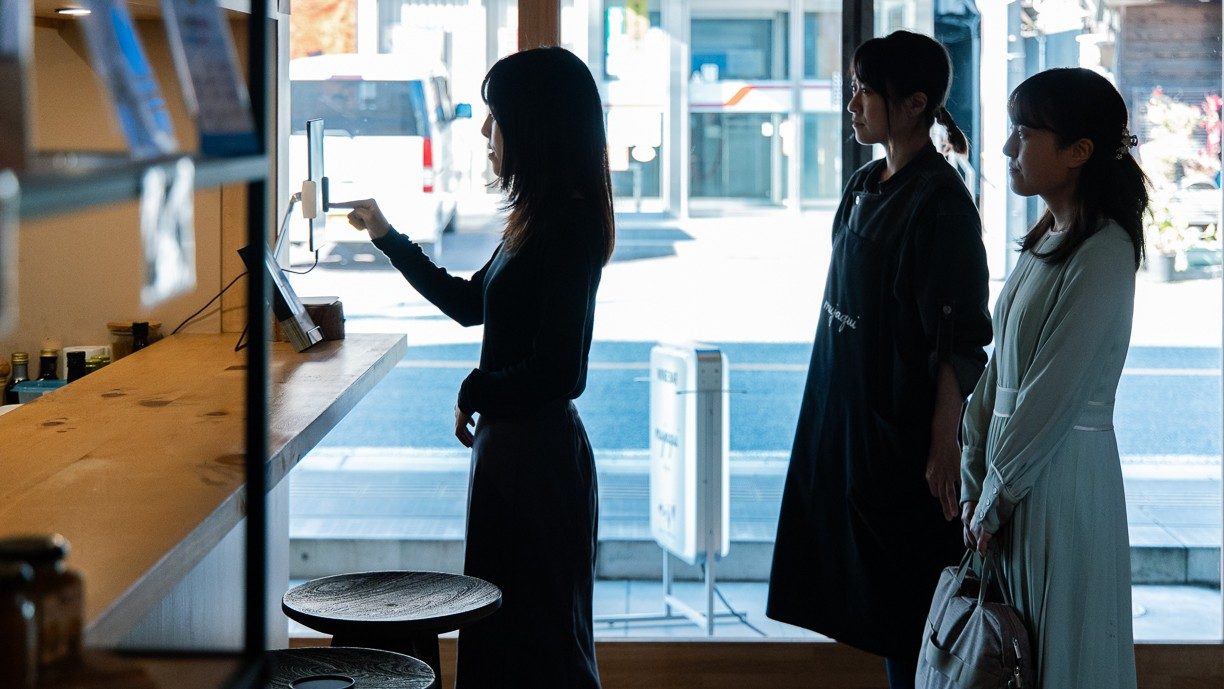
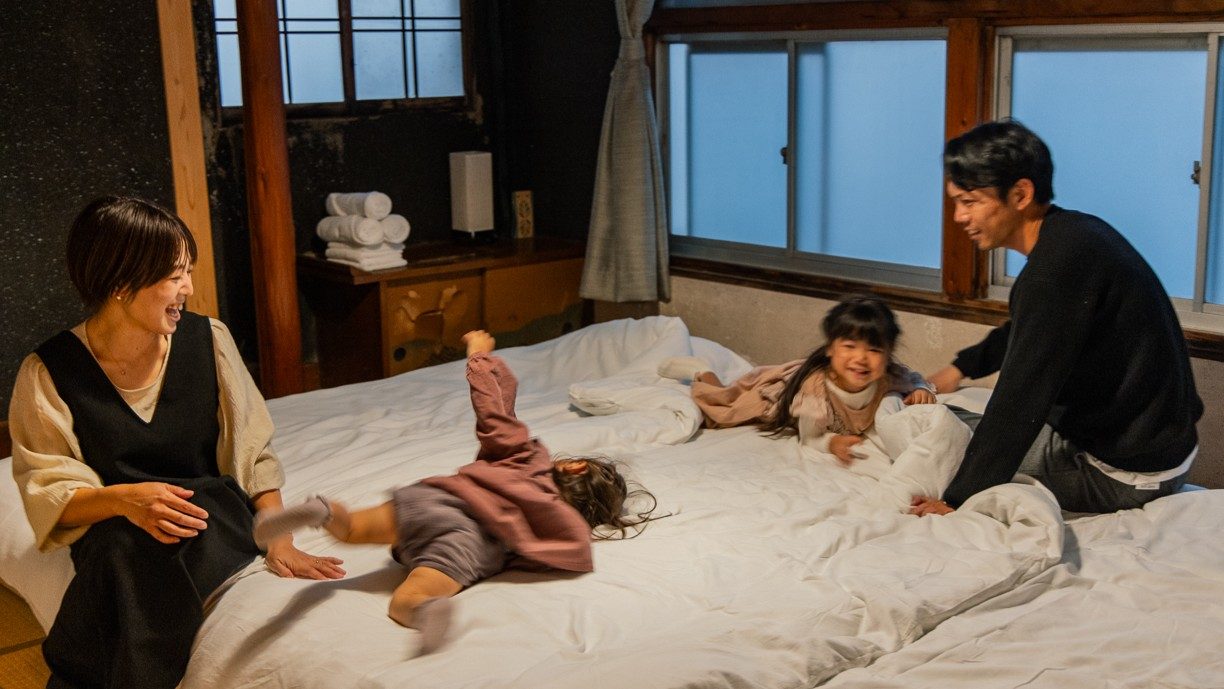
Check-in is self-service, so you can arrive whenever suits you. There's no front-desk formality and no manager hovering. If your children make a bit of noise, that's fine — the people running this place have small children too.
About the inn
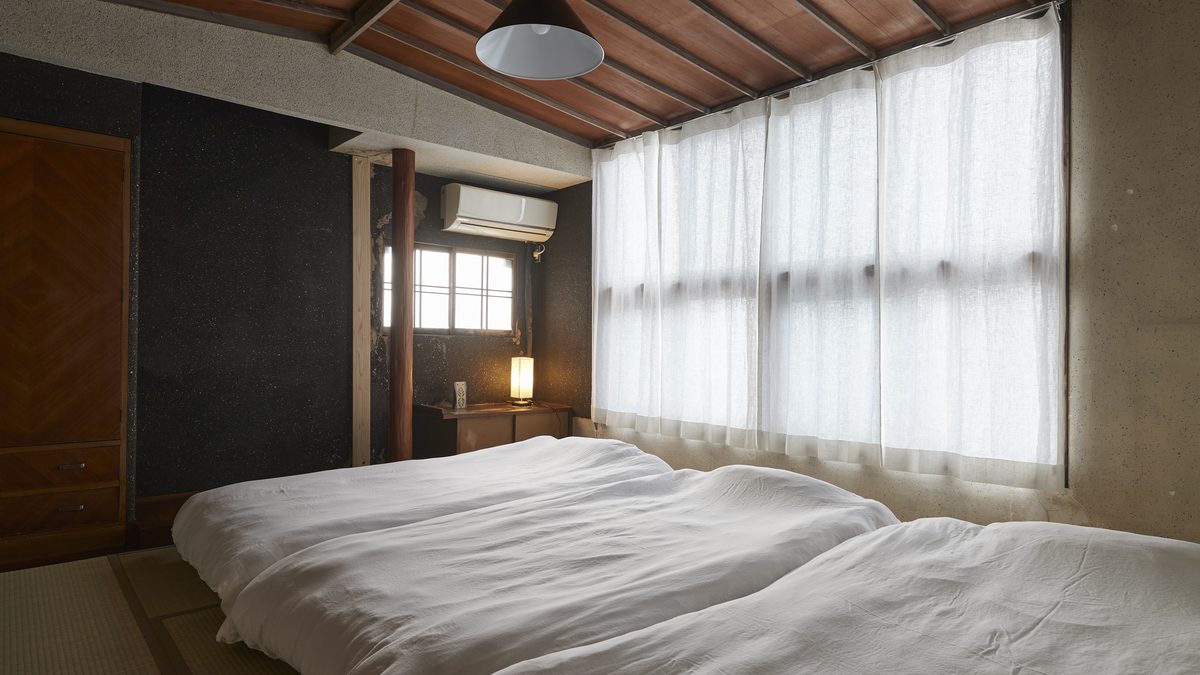
Built for sleepingThe town is meant to be the main event, so the rooms are plain. No television, minimal amenities — and a very good night's sleep. All rooms are private. The ground floor has compact Western-style rooms; upstairs, the original Japanese rooms are left much as they were.
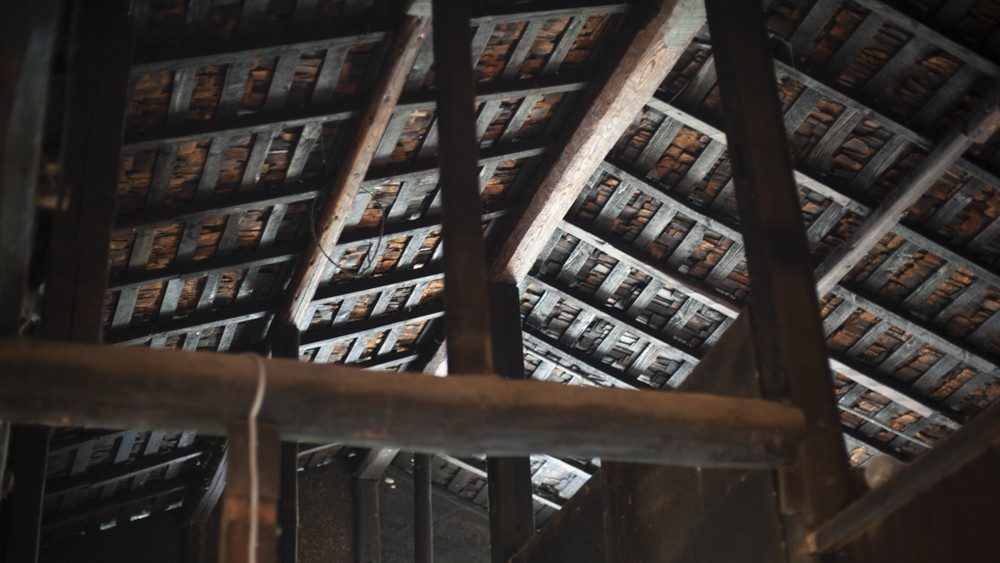
Old, and left that wayThe building is over a hundred years old. It is hot in summer, cold in winter, and sound carries. We kept it that way on purpose. You can't rebuild a hundred years.
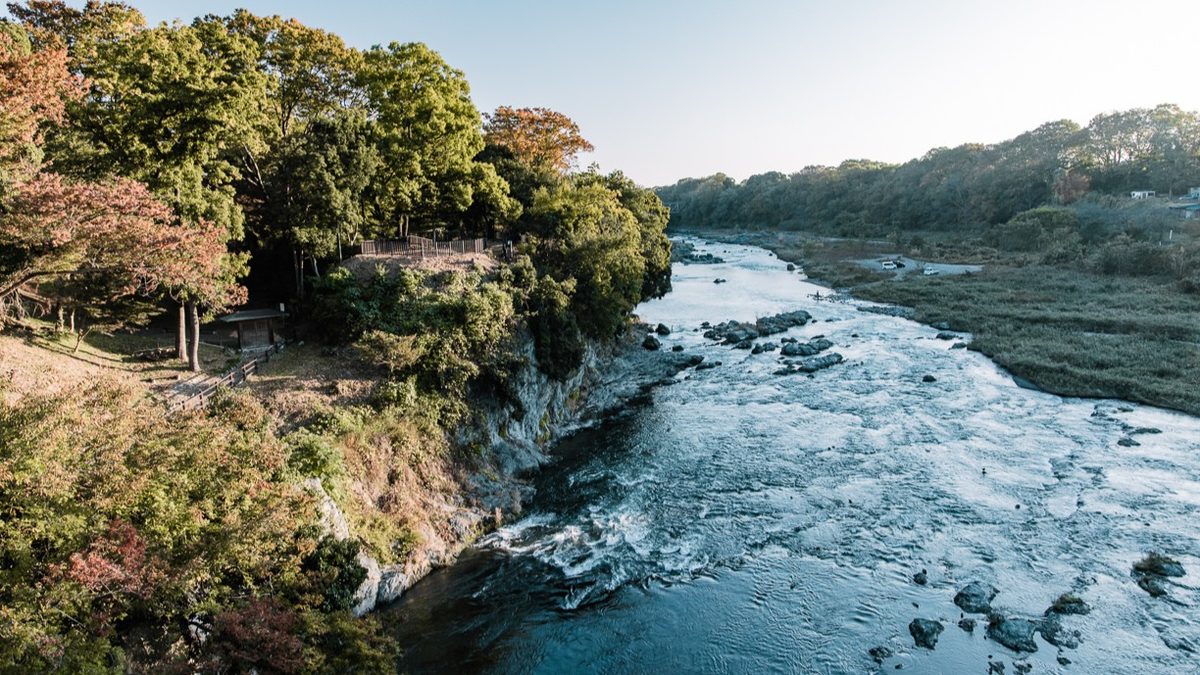
Walk the townTamayodo Gorge is five minutes on foot. Suzumemiya Park is lovely early in the morning, and Hachigata Castle — one of Japan's Top 100 Castles, though only the earthworks and ruins remain — is close by. In the evening, try Yorii's own yakitori — here it means grilled pork cheek, not chicken.
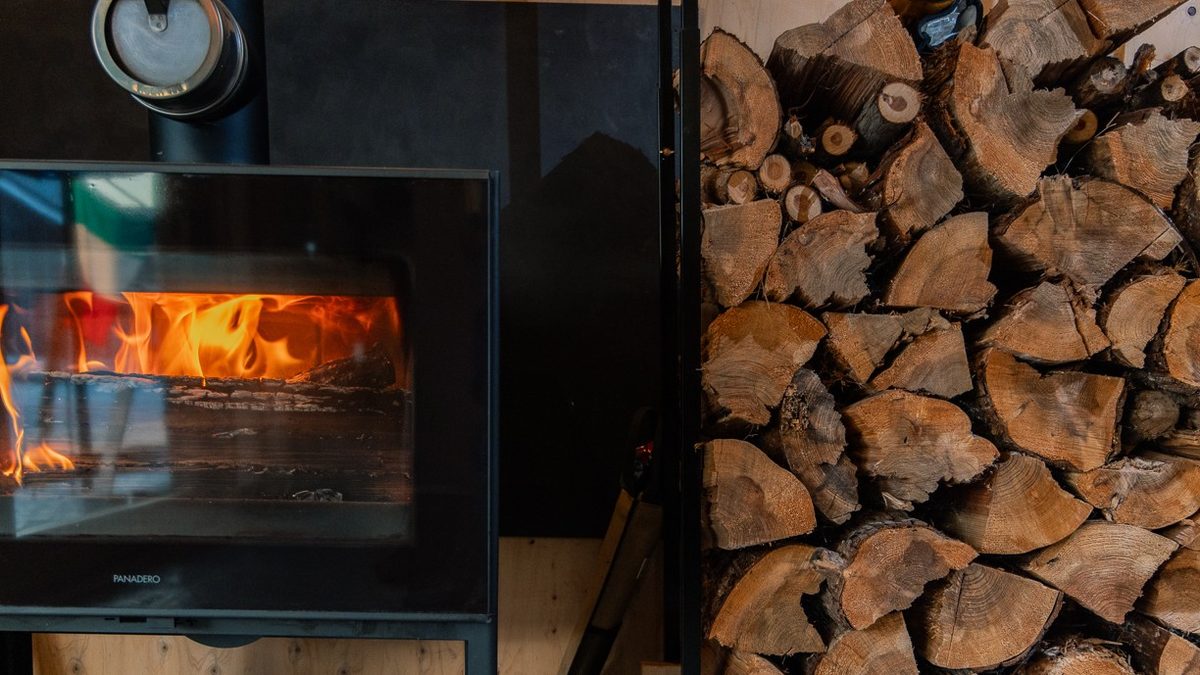
A wood stove in winterIn winter the best seat in the house is by the stove. Ours is an unusual one, built to burn softwood — which, in a small way, helps thin and care for Japan's neglected cedar plantations.
Plain rooms, made for sleepingA hundred years of the building, left visibleTamayodo Gorge, five minutes on footThe wood stove, and the best seat in winter
We are a seven-minute walk from Yorii Station, which is served by three railways — the Tobu Tojo Line, the JR Hachiko Line, and the Chichibu Railway.
From Tokyo
From Ikebukuro, take the Tobu Tojo Line towards Ogawamachi and change there for Yorii. The journey takes roughly 1 hour 40 minutes and costs about ¥920. Some services run through to Yorii without a change. An IC card (Suica, PASMO) works the whole way.
From the airports
From Narita or Haneda, make your way to Ikebukuro first, then follow the route above. Allow around three hours from Narita and two from Haneda.
Nearby
The Chichibu Railway runs from Yorii up the valley to Nagatoro, known for its river gorge and traditional wooden boat rides, and on towards Chichibu. Yorii makes a quiet base for both.
On foot from the stations
Yorii Station — about 7 minutes. Tamayodo Station on the Chichibu Railway — about 5 minutes.
By car
We have six parking spaces nearby. No reservation is needed for parking. Please don't park on the street.
Before you book
A few things that are worth knowing in advance, so there are no surprises when you arrive.
Self check-in, no front deskYou can let yourself in any time between 15:00 and 23:00 using our self check-in system. Check-out is by 10:00. There is no staff on site overnight.
No meals are servedWe don't have a restaurant or serve breakfast. There are places to eat within a few minutes' walk in town, and we're glad to point you to them.
Simple by designAmenities are kept to a minimum. Wi-Fi, air conditioning, a guest lounge and a shared shower are all available.
An old wooden buildingIt gets hot in summer and cold in winter, and you will hear your neighbors a little. If you need a hotel-quiet room, this may not be the right place for you.
No smoking, no petsThe entire building is non-smoking, including e-cigarettes, and there is no smoking area. We're not able to accommodate pets.
Details
Name
mujaqui — the town's engawa, where the heart unwinds
Address
908 Yorii, Yorii-machi, Osato-gun, Saitama 369-1203, Japan
Access
7 min walk from Yorii Station (Tobu Tojo / JR Hachiko / Chichibu Railway) 5 min walk from Tamayodo Station (Chichibu Railway)
Parking
6 spaces nearby, no reservation needed
Check-in
15:00–23:00 (self check-in, no front desk)
Check-out
By 10:00
Meals
Not served. Restaurants are a short walk away in town
From Ikebukuro, take the Tobu Tojo Line towards Ogawamachi and change there for Yorii — about 1 hour 40 minutes, around ¥920. Some trains run through to Yorii without a change. From Yorii Station we are a seven-minute walk.
How does check-in work?
Check-in is self-service. You can let yourself in any time between 15:00 and 23:00 using our self check-in system, and check out by 10:00. There is no reception desk and no staff on site overnight.
Are meals available?
No. We don't serve breakfast or dinner and there is no restaurant on site. There are places to eat within a few minutes' walk in Yorii, and we're happy to recommend some.
Are the rooms private?
Yes — every room is private. The ground floor has compact Western-style rooms; upstairs are traditional Japanese rooms. The shower is shared.
Is it suitable for families with children?
Yes. We have rooms that work well for families, and the people running mujaqui have young children themselves, so a bit of noise is genuinely fine.
Is there parking?
Yes, six spaces nearby, and no reservation is needed. Please don't park on the street.
Can I smoke, or bring a pet?
The building is entirely non-smoking, including e-cigarettes, and there is no smoking area. We're not able to accommodate pets.
What is there to do nearby?
Tamayodo Gorge is a five-minute walk, and the ruins of Hachigata Castle and Suzumemiya Park are both close by. The Chichibu Railway runs from Yorii to Nagatoro, known for its gorge and wooden boat rides, and on to Chichibu.
Come and stay a while
There's nothing extraordinary here. Just laughing, eating, and sleeping well. Come and spend a simple day here.